
What a GFCI outlet does
GFCI stands for ground-fault circuit interrupter. You can spot one by the TEST and RESET buttons on its face.
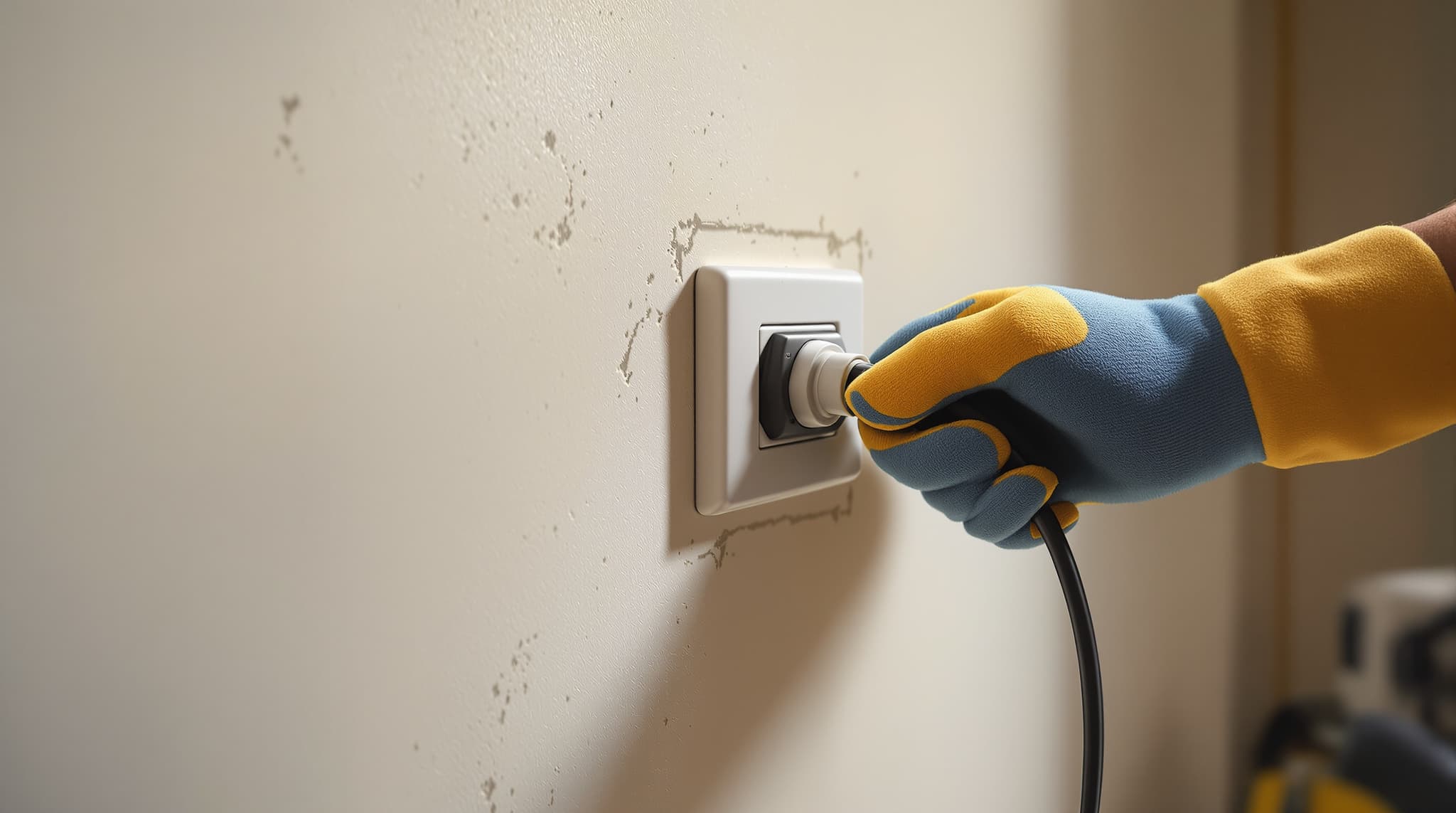
A GFCI watches the current going out and coming back on a circuit. If some leaks to ground, it cuts the power in a fraction of a second. That leak could be running through a person who touched a wet appliance.
GFCI outlet requirements come from the National Electrical Code. New York bases its electrical rules on that code. Each new edition has added more places that need GFCI protection.
Where GFCI outlets are required
These are the main places the code calls for GFCI protection in a home. Most have been on the list for many years.
- Bathrooms. Every outlet in a bathroom.
- Kitchens. Outlets that serve the countertops. Newer editions cover all kitchen outlets.
- Near sinks. Outlets within 6 feet of the edge of a sink. That includes bar sinks and laundry sinks.
- Garages. Outlets in garages. It also covers sheds and workshops with a floor at or below ground level.
- Outdoors. Outdoor outlets, including ones on decks and porches.
- Basements. Outlets in unfinished basements. Newer editions cover finished basements too.
- Crawl spaces. Outlets in crawl spaces at or below ground level.
- Laundry areas. Outlets in the laundry area.
- Near tubs and showers. Outlets within 6 feet of a tub or shower.
- Boathouses. Outlets in a boathouse, which matters for some waterfront homes.
Pools and hot tubs follow their own set of rules. Pump motors, underwater lights and nearby outlets all have GFCI requirements. That work should go to a licensed electrician.
GFCI rules for outdoor outlets
Outdoor outlets need more than GFCI protection. They also need a weather-resistant outlet. In a wet spot, it needs an in-use cover. That cover stays closed with a cord plugged in.
These covers are often called bubble covers. An old flat flip cover lets rain reach the outlet while something is plugged in. That is a common reason outdoor GFCIs trip after a storm.
What newer code editions added
Recent editions of the code widened the list. They reach more appliance outlets and some outdoor equipment. Dishwasher circuits and outlets for outdoor units are two examples.
Which edition applies depends on your town and when the work is permitted. An electrician or your building department can confirm what applies to your job.
Do older Long Island homes need to be updated?
The code does not usually force you to update an older home all at once. The rules apply when work gets done. Replacing an outlet in a spot that now needs GFCI protection is a common trigger. The new outlet has to be GFCI protected.
Older homes with two-prong outlets have another option. Code allows a GFCI outlet in place of an ungrounded two-prong outlet. It has to carry a "No Equipment Ground" label. It adds shock protection, but it does not add a ground wire.
GFCIs also come up when a house is sold. Home inspectors often flag kitchens and bathrooms without them. Still have original wiring? Our guide to knob and tube wiring explains the bigger picture.
GFCI outlet or GFCI breaker?
There are two ways to get GFCI protection. One is a GFCI outlet. The other is a GFCI breaker in the electrical panel.
A GFCI outlet can also protect regular outlets wired after it on the circuit. That is why one GFCI outlet can cover several outlets in a row.
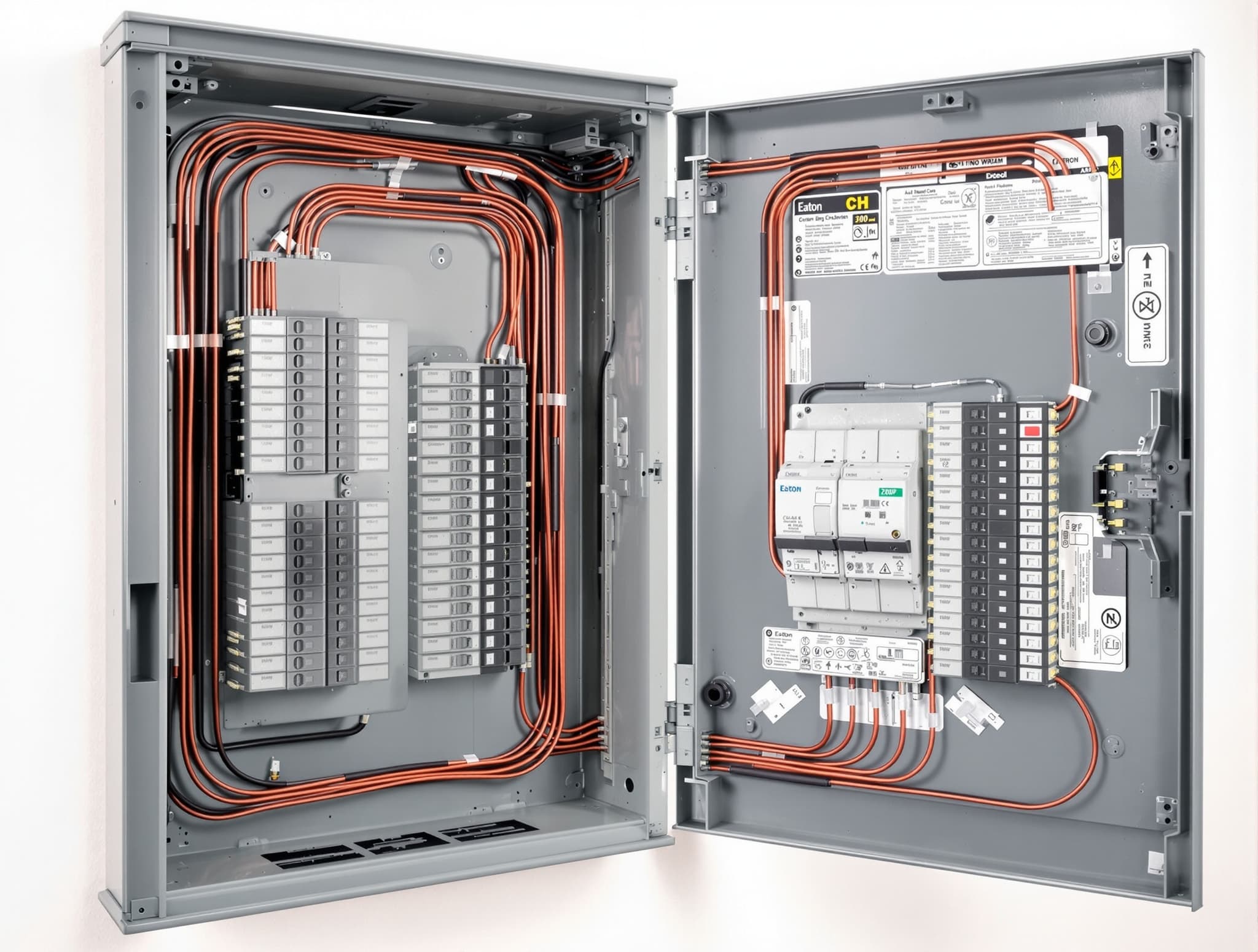
A GFCI breaker protects the whole circuit from the panel. It can make sense when an outlet is hard to reach. Is your panel full or outdated? Then these breakers may be part of a panel upgrade.
GFCI vs AFCI protection
GFCI and AFCI protection sound alike but do different jobs. A GFCI protects people from shock. An AFCI watches for arcing in wiring, which can start a fire.
Some rooms need both under newer codes. Kitchens and laundry areas are common examples. Dual-function breakers and outlets combine both types in one device.
How to test a GFCI outlet
Press the TEST button. The power at that outlet should shut off, and the RESET button should pop out. Press RESET to bring the power back.
Manufacturers suggest testing once a month. Most newer GFCI outlets also test themselves. Many have a light that shows a problem.
If an outlet will not reset or keeps tripping, have it checked. The cause may be a worn outlet or moisture in an outdoor box. A faulty appliance can do it too.
What adding a GFCI outlet costs
A standard GFCI outlet often costs around $15 to $30 at a hardware store. Weather-resistant outdoor models sit at the higher end.
Labor depends on the job. Swapping an outlet in an existing box is a small job. Adding a new outdoor outlet or a new circuit takes more time and material. Treat these as typical ranges, not a quote.
Can you install a GFCI outlet yourself?
Swapping an outlet can look simple. A GFCI has separate LINE and LOAD terminals, though. Mixing them up can leave outlets without power or without protection.
Rules on who can do electrical work vary across Nassau and Suffolk. Some jobs also need a permit and an inspection. Our guide to electrical permits in Nassau and Suffolk explains which jobs need one.
Getting GFCI protection added to your home
An electrician can check which outlets in your home need GFCI protection. The fix is often a few new outlets or breakers. We handle outlet installation on Long Island, including GFCI upgrades.
Call (516) 529-6991 for a free estimate.
Still have questions?
This guide was written by Frank Calabrese. If your situation has a wrinkle we did not cover, call us direct. Most questions we answer by phone take five minutes.